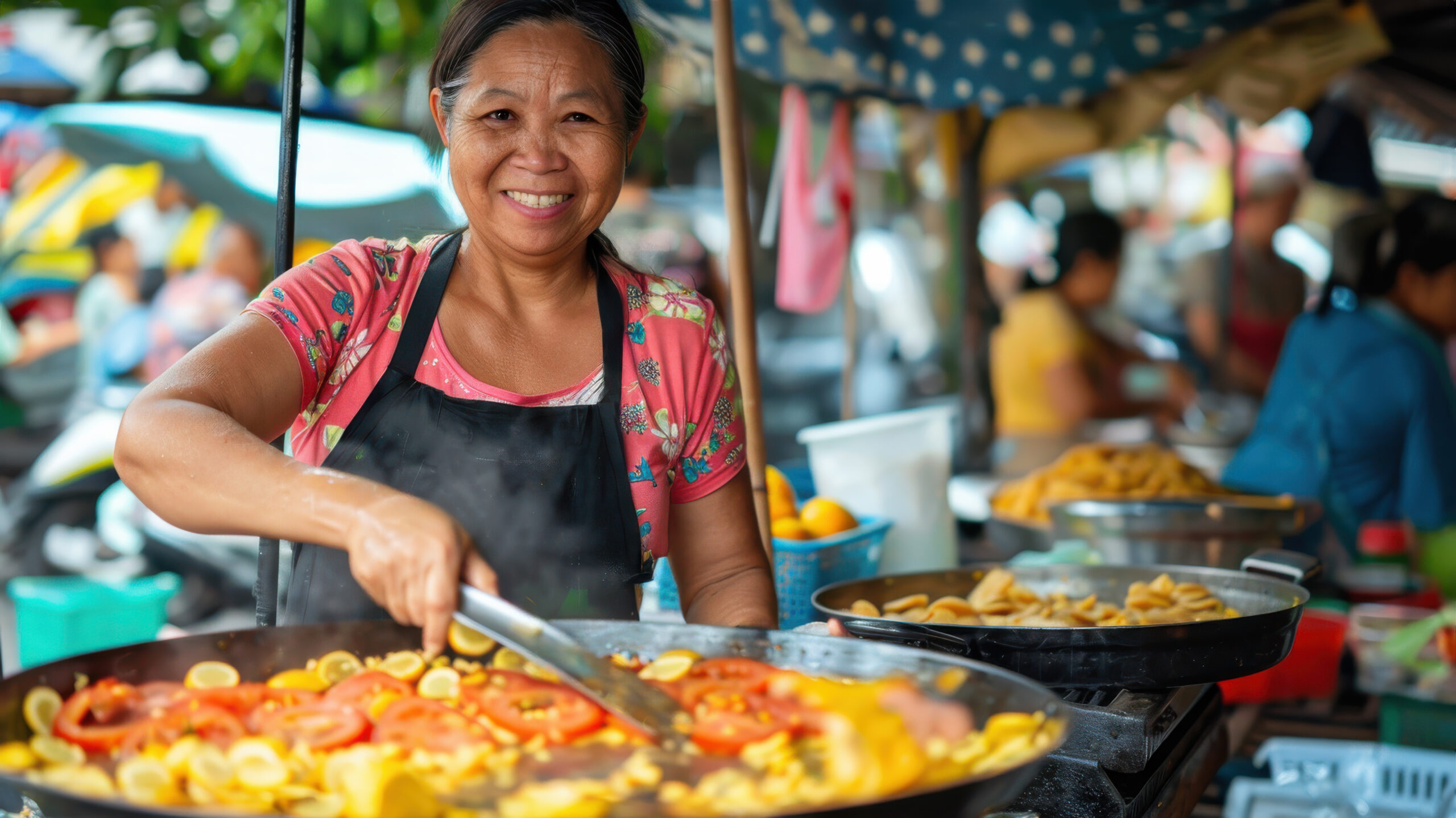
Filipinos have every right to be disappointed by history. It hasn’t exactly been kind — colonized, conquered, exploited, sold a dream of salvation that usually came with a price tag. And yet somehow, from all that wreckage, they built something incredible: a culture so saturated with kindness it borders on defiance. Hospitality here isn’t a performance; it’s survival. It’s how people make sense of the cosmic joke — to laugh, feed you, insist you sit, insist you eat again.
My first impression of Manila? Like walking onto the set of a post-apocalyptic Mad Max outpost — smoke, chaos, radiant heat, jeepneys coughing neon exhaust into skies already bruised with humidity and smog. A kind of beautiful hellscape powered by stubborn optimism and cheap gasoline. It’s loud, cracked, crumbling, and alive — a living, breathing monument to resilience. As my tuktuk bounced through the city streets I reflected on its odd paradox. You think you’re entering the aftermath of something terrible, but you quickly realize: this is the aftermath of everything—and people are still smiling.
“Kumain ka na ba?” is how you say hello in Manila —literally “have you eaten yet?”—and that greeting sets the frame for exploring how care, hospitality, and identity all run through the Filipino table.
The phrase is also an invitation to the sit ands break bread, where being fed signals that you’re part of the inner circle, not just a guest.
Certain dishes—sinigang, adobo, arroz caldo, leche flan—carry specific emotional charges, remembered as grandmothers’ or mothers’ recipes, so eating them in Manila can feel like stepping back into older, safer rooms.
I don’t know much, but I do know this — the welcome dinner in heaven is a platter of lechon – whole spit-roasted pig. Not the sanitized, buffet-line version, but the real deal: crisp, dark-golden skin that shatters between your teeth like caramel, fat rendered into something closer to a prayer than a flavor. That first bite — smoky, sweet, impossibly rich — makes you forget the sins that got you there. Somewhere in the clouds, I imagine a Filipino auntie standing over a pit, fanning the coals like a high priest, brushing the roast with vinegar, lemongrass, and patience. Angels gather around, elbowing each other for the tail or the belly, arguing about who makes the best version in Cebu or Batangas.
If Nirvana has a smell, it’s that — roast pork and charcoal smoke, laughter spilling over cans of San Miguel beer, the sound of a knife cracking through skin that’s been lacquered to perfection. A reminder that maybe the divine isn’t found in marble cathedrals or whispered hymns, but in the long, communal act of turning hunger into joy.
Manila’s food culture is basically the city’s personality in edible form: loud, mixed, generous, improvisational, and wired into history. Food is how the capital tells you what it has survived and what it’s becoming next.
Dishes in Manila pull from Indigenous Tagalog cooking, centuries of Chinese trade (pancit, siopao, lumpia), Spanish rule (stews, flan), and American influence (fast food, ice culture), all stacked into one restless urban table.
In a city known for traffic, density, and contrast, food offers small islands of relief: carinderias, mall food courts, and sari-sari front-yard grills where people decompress, gossip, and practice everyday hospitality. The range—from humble turo-turo steam tables to polished tasting menus in Makati and BGC—shows a culture comfortable holding grit and gloss at once, with each layer claiming to be “real” Manila in its own way.
Manileños are a people who’ve been dealt crappy hands over and over, and yet still manage to show up kind, smiling, and generous. They take all the bad history, the broken promises, the bureaucratic screwups, and instead of turning inward and mean, they turn outward with food, jokes, and a seat at the table. It’s not that they don’t know how unfair it all is; they just refuse to let bitterness be the house special.
I hop into a jeepney that looks like RuPaul got drunk and decided to redecorate it, then rattle my way back to the hotel.