
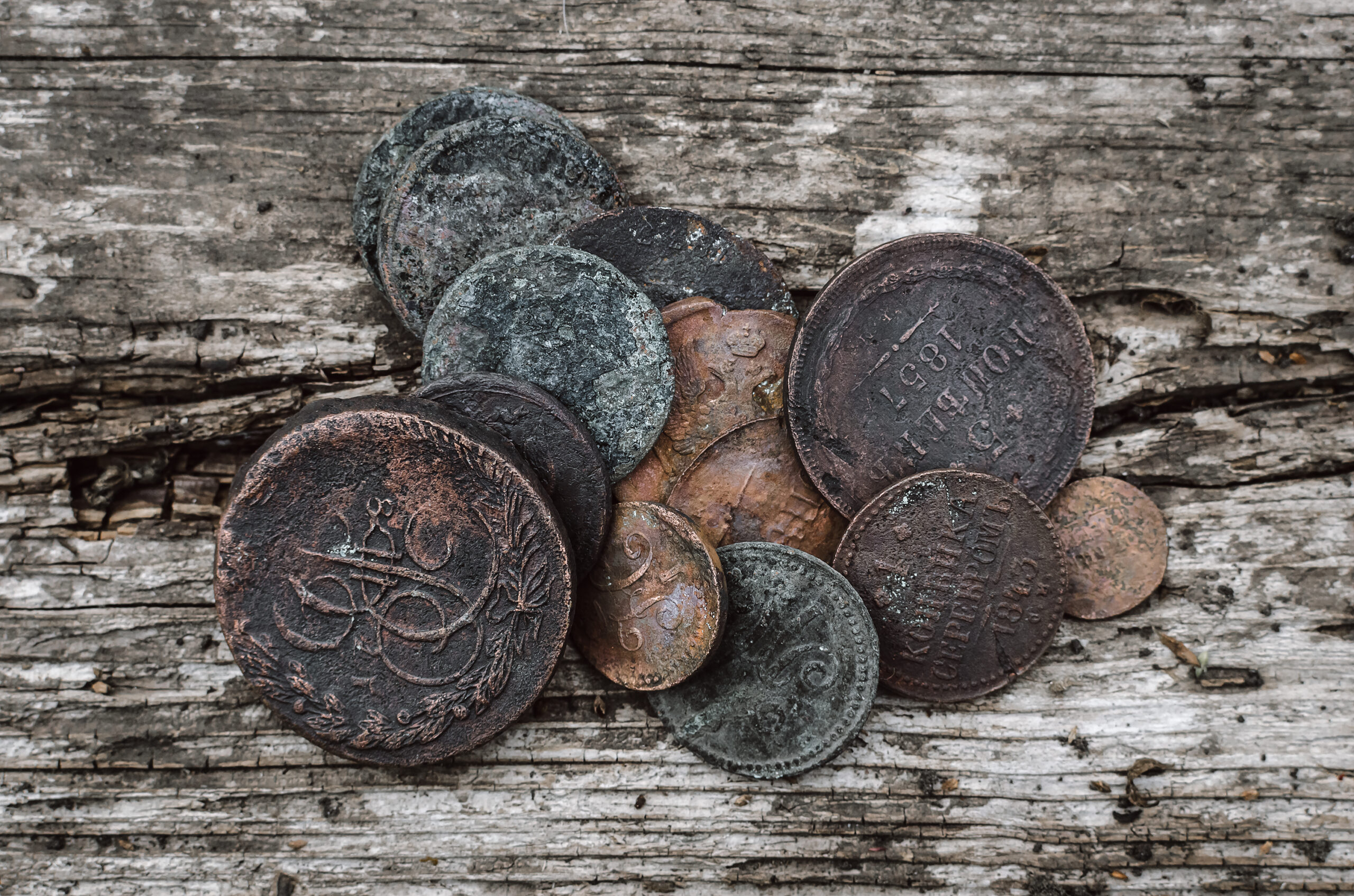
The numbers get fuzzy fast when you start asking how much unfound pirate gold is still out there, but people who make a living pulling history off the seafloor will quietly tell you it’s on the order of a hundred billion dollars, give or take a few broken dreams. More than four hundred and fifty lost‑loot legends and historical caches (outlaw stashes, lost payrolls, pirate rumors) are still pinned to the map at Legends of America.
And then there’s Florida, where somewhere between the neon and the mangroves a stretch of shoreline has kept one foot planted in the grave of the past; they call it the Treasure Coast, a name that sounds like a timeshare pitch until you put your hands in the sand and realize just how many ghosts you’re sifting through.
This isn’t one of those candy-ass, Instagram-friendly scavenger hunts where someone plants fake “treasures” for your bridge club to stumble across with squeals of discovery. The Treasure Coast of Florida doesn’t need props. The stories here are already buried in the sand—real ships, real storms, real Spanish gold still washing ashore now and then when the ocean gets angry enough to spit it up. On some nights, when the tide runs cold and the moon’s too bright for comfort, the water still glitters like spilled wine. That’s not magic. That’s the past trying to speak. One of the best stories is the tale of the Nueva España Wreck.

A hurricane rose from the southeast like the vengeance of everything man thought he could master. The sea peeled them open—one by one, along 80 miles of reef and sand from Sebastian to Fort Pierce. Hundreds died. Some washed to shore, half-naked, dragging casks of treasure through the surf with what was left of their skin. For months afterward, survivors and salvors camped along those beaches, clawing what they could from the wrecks. The Spanish crown sent more ships, more men, more desperation. Then the pirates came, smelling blood and bullion. By the time it was done, Florida’s coast had been baptized in gold and bone.
Three centuries later, the coast still gleams with the afterbirth of that storm.
Vero Beach and Sebastian Inlet sit on the heart of it now. On the surface, it’s all pastel condos and fish tacos—America’s idea of paradise, prepackaged and digestible. But just under that postcard gloss, the sand knows better.
Walk the beach at dawn. The air tastes like metal and salt. You can almost hear the whisper of musket shot across the tide. The McLarty Treasure Museum sits where the 1715 survivors once camped, their salvaging fires flickering in the same dunes that now bear the footprints of retirees with digital cameras. Inside, it’s quiet—shells, maps, a looped video explaining how the fleet went down. But step outside and look seaward, and you’ll feel the weight of all that lost gold pulling at your bones.
A few miles north, Mel Fisher’s Treasure Museum holds the more tangible ghosts: coins, chains, bar‑gold cut as neat as chocolate squares. Fisher was the rare one who turned faith into fortune. For sixteen years he chased the wrecks that others could only dream about. His team hauled millions from the seabed—proof that myth sometimes pays, but never without blood.
Down on Hutchinson Island, the Urca de Lima sleeps in fifteen feet of water—close enough that even amateur snorkelers can swim out and touch the past. Don’t expect a gilded hull or blinking treasure. What’s left is a skeleton of timbers, coral-encrusted ribs disappearing into silt. Fish move through them like thoughts you can’t hold. It’s beautiful in the way ruin always is: nature reclaiming man’s hubris, slowly, politely.
If you’ve got the nerve, paddle out from Pepper Park before sunrise. The sea’s black then, calm as a sheet of tar. When the sun breaks the horizon, it hits the water in shards of silver, and for a heartbeat you can almost believe that the ocean itself remembers what it took.
The truth is it’s natural selection. The wrecks lie barely offshore, scattered across reefs and trenches shallow enough for hurricanes to reach. Every time a storm hits, it churns the bottom, dislodging what’s been buried for centuries. The currents drag those fragments—coins, spikes, ballast stones—landward, rolling them through sandbars until they fetch up in the swash zone like memories unwilling to die. The Treasure Coast is less a place than a wound that keeps reopening.
This is what keeps the believers coming: that ancient arithmetic of loss and return. The sea takes. Then sometimes, against all reason, it gives.
A weekend in “Treasure Coast” is perfect for a low‑key hunt by day and cigars / cocktails by night.
If you’re headed this way, set up shop near Vero Beach or Sebastian Inlet. That’s the sweet spot—close to the wrecks of the 1715 Spanish fleet, with beaches that go on forever and a shoreline that somehow dodges the chaos of South Florida’s human tide. Down here, the air smells faintly of salt and history. “Treasure hunting” isn’t a gimmick—it’s a tourism slogan with teeth. You’ve got two small but solid museums staking their claim: McLarty Treasure Museum, perched on the same bluff where the survivors and salvors camped, and Mel Fisher’s place in Sebastian, complete with a chunk of real gold you can actually hold.
Out on Hutchinson Island, southeast toward Fort Pierce, the beaches stretch for miles—clean, pale sand giving way to wreck zones sitting just offshore. Pepper Park is the standout. Only a few hundred yards from the beach lies the wreck of the Urca de Lima, sleeping in about 15 feet of water. It’s a shallow snorkel or an easy dive—no fantasy, no theme park, just you, the sea, and a few ghostly ribs of an 18th-century ship dissolving into coral and sand.
A good weekend looks something like this: roll in Friday, hit Sebastian Inlet State Park by afternoon, check out McLarty, then walk the tide line at dusk when the place goes quiet and locals drift away. Saturday, get up early and work a beach near one of the known wreck zones. Maybe rent a metal detector if you want the ritual of it, but even without it you’ll feel the pull of the place. Afterward, snorkel over the Urca or take one of the local paddle tours that’ll run you out to a shallow wreck—if you need a guide at all.
Kimpton Vero Beach Hotel & Spa – Oceanfront, walk‑out beach access, on‑site bar and restaurant (Cobalt) and easy stumble distance to other Ocean Drive spots; upscale but still relaxed.
Costa d’Este Beach Resort & Spa – Stylish boutique resort directly on the beach with a strong bar scene and pool/beach service; great if you want to roll from detector to drink without getting in the car.
More laid‑back options with character: Driftwood Resort (historic oceanfront with on‑site Waldo’s bar) and South Beach Place (17‑suite retro boutique a short walk from the sand).
Waldo’s at the Driftwood – Classic oceanfront bar‑restaurant billed as “the last of the great American hangouts,” good for fried seafood, rum drinks, and watching the Atlantic where the wrecks sit just offshore.
Havana Nights Piano Bar – Inside the Caribbean Court; darker, more intimate, cocktails and live music most nights, easy to pair with a nice dinner at Maison Martinique in the same small hotel.
Riverside Cafe and Mulligan’s Beach & Sports Bar give you casual drinks and bar food with water views—Indian River on one side, Atlantic on the other.
In town, Filthy’s Fine Cocktails & Beer and 21st Amendment Distillery lean more nightlife/spirits‑geek than beach bar, if you want a change from the sand.
Catelli Cigar Lounge – Veteran‑owned lounge with a full bar vibe: late hours most nights, live‑ish atmosphere, proper seating, and a good humidor; this is where to settle in after dinner.
Treasure Coast Cigars – Veteran‑owned cigar shop downtown with a wide selection and relaxed shop atmosphere; ideal for stocking up or a quieter smoke before heading elsewhere.
Before you get big dreams about striking it rich, keep your head. Most folks find pocket change, the odd class ring, maybe a bit of scrap nailed together by time. A few lucky bastards stumble on something older—a coin, a shard—that whispers from 1715. This is real history, not a souvenir shop. Beachcombers report occasional single Spanish coins or small artifacts turning up in the wet sand after big storms, along with copper pendants, iron spikes, and other ship-related “scrap” that isn’t museum-grade but is definitely historic.
Every few years, a storm strips away enough sand to make headlines. A man walking his dog near Wabasso finds a coin stamped with a Spanish cross. A father and son near Vero Beach dig out a handful of gold escudos worth a house in Boca. Salvage teams, licensed by the state, haul in chests of treasure—coins stacked like poker winnings, emerald pendants still glowing through the grime. Millions recovered, billions still somewhere just beyond the breakers.
But for every lucky bastard who hits gold, a thousand dreamers come away with nothing but wet socks and sunburn. The smart ones call it faith. The others call it destiny. Either way, the ocean calls it rent.
And maybe that’s the point: to stand at the edge of what was, feeling the hum of all that failed glory under your feet. It’s about knowing it’s still out there, buried in the same sand where men bled to bring it ashore—and how little that gold cares whether it’s ever found.