
The beast must be fed: the public has a voracious appetite for the next big thing. This round, Kazakh food is in the crosshairs.
Almaty in winter feels like a city caught between worlds — Soviet bones, neon ambition, and the smell of grilling meat curling up from side-street cafés. The air is sharp; the vodka burns clean. Somewhere between the steam of boiling broth and the laughter of strangers, you realize this is where the next great food story is unfolding — not in a hip urban test kitchen, but here, at a low table built for company and wandering.
Some foods whisper their story; Kazakh food goes for the jugular.
Out on the Central Asian steppe, where the sky swallows everything and the winters don’t forgive, a cuisine was born from endurance. It’s not plated for Instagram. It’s not reinvented in some Brooklyn fusion lab. It’s the taste of motion — of people who’ve lived by the rhythm of their animals and the seasons for centuries.
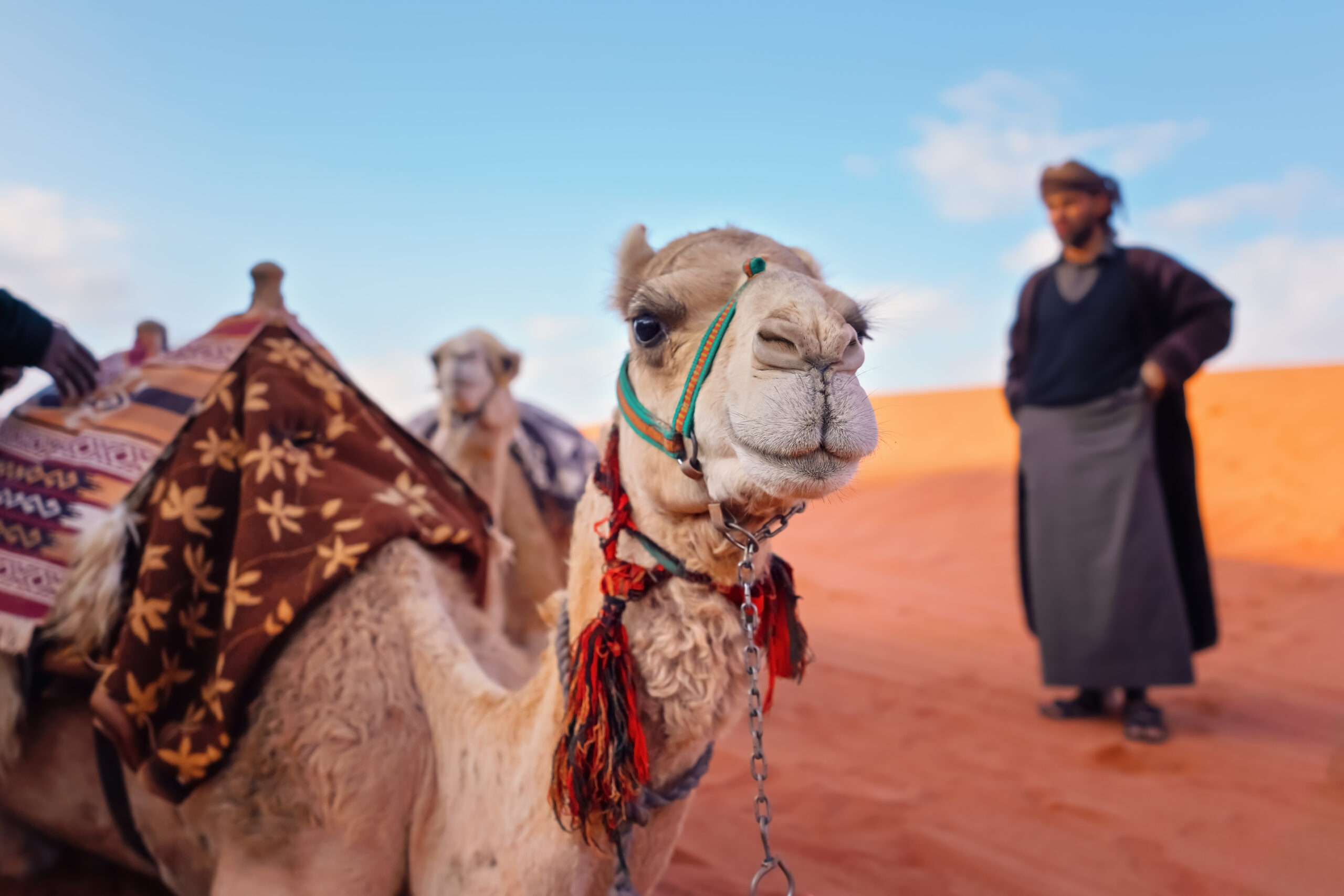
Kazakh cuisine is built on three elemental pillars: meat, dairy, and dough. It’s the original nose-to-tail cooking, born of necessity, elevated by ritual. The tört tülik mal — horse, camel, sheep, and cattle — provide everything: food, warmth, transport, even identity. Horse and camel are the feast meats, reserved for high celebrations. Mutton and beef fuel everyday life.

Methods like boiling, smoking, and drying aren’t throwbacks to tradition; they’re ancient technologies of survival, designed to keep nourishment traveling as far as the people who made it.
Then there’s the bread and noodle culture — ballast for a diet dominated by meat. You’ll find broad homemade noodles buried under broth, or tender lagman tangled with onions and garlic. Flatbreads blister against tandoor walls, perfumed with smoke and cumin. The flavors are generous but restrained, relying on black pepper, dill, coriander, and fresh herbs instead of a blast of chili. Nothing feels forced; everything speaks of patience and use.
To understand Kazakh hospitality, sit down for beshbarmak — the national dish, which literally means “five fingers.” Strips of horse or mutton are layered over noodles and broth, served from a communal platter. The host doesn’t just feed you — he assigns you a place in the universe, cutting and distributing the meat according to age, respect, and rank. Food here isn’t just shared; it’s social architecture.
You might also meet kazy, a horsemeat sausage so rich it borders on sacred, or kuyrdak, a sizzling medley of offal, onions, and potatoes fried until they taste like smoke and iron and nostalgia. These dishes carry centuries of migration and memory. They don’t need a marketing campaign; they’ve already fed empires.
Kazakh food is due for discovery, but it doesn’t need validation. What the world is starting to wake up to — slow food, communal eating, sustainability — has existed here forever, expressed through a cuisine that’s both raw and noble. Steppe cooking isn’t an echo of the past; it’s a testament to human adaptability, the art of turning scarcity into abundance. In a century obsessed with reinvention, Kazakhstan serves a reminder: the next big thing might just be something ancient, steaming in a communal bowl under an endless sky.
For a first dive into Kazakh food, focus on a mix of “classic nomad” dishes and easy crowd-pleasers so it feels adventurous but not punishing. These are the core things to hunt down on menus or in homes.
Absolute essentials
Meat and grill hits
Kazakh foods for newcomers
However you go, start somewhere. This is ancient, road-tested food. Hearty and delicious and revelatory. Perfect for (digital) nomads everywhere.