
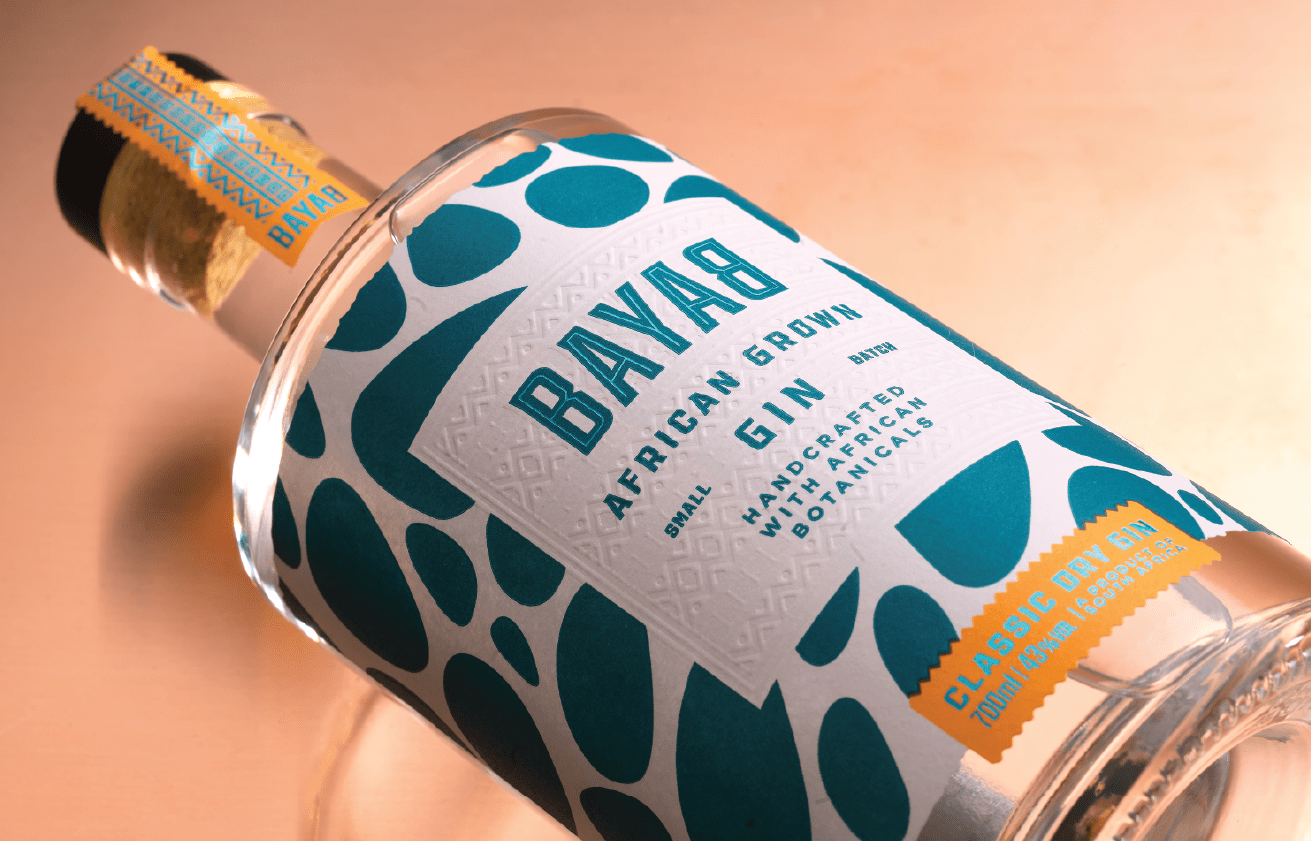
If your cocktail arts have drifted onto autopilot, it’s time for a shakeup. You need to know about the new wave of African gins.
The backstory alone will make your nether regions tingle: they come from places the usual lists still treat as rumor—Namibia, Kenya, South Africa, the islands off Mozambique—names that once meant diamonds and blood and shipping lanes, now distilled into clear liquid that smells of citrus, dust, and old colonial sins. They aren’t asking for a seat on the shelf beside London’s polite ghosts. They are here to remind juniper that it was never the only word for divinity.
You can taste dirt in them, the good kind—the red earth of the oldest places on earth: the wet rot of riverbanks, the resin of trees that no longer answer to English names. Botanicals, the labels say,, as if that word could domesticate buchu and baobab, rooibos and grains of paradise, as if centuries of trade routes and stolen labor could be reduced to a tasting note that some lifestyle editor would call “interesting.” They throw in wild herbs, coastal fynbos, citrus that grew up feral under a sun that kills the unprepared, then run it all through copper and prayer until it comes out clean enough to pass in hotel bars from Joburg to JFK.
The Europeans will tell you they invented gin, and on paper they’re right, the way they’re right about everything that came stamped and taxed and measured in proof. But the real story is older and uglier: spice ships and gunboats, botanicals moving one way, bodies another, empire learning how to drink its conscience into a manageable silence. Now the wheel turns, as it always does, and the continent that supplied the ghosts sends its own spirits back. You lift a glass of Cape dry, or a Nairobi small-batch that smells like rain on hot tarmac, and you can feel history tightening its fingers around the stem.

What makes these things new is not stainless steel or some graduate of a Scottish course in distillation posing with a copper pot still. It is the refusal to pretend they come from nowhere. They taste like the markets outside the airport road, like the pharmacy shelf and the witchdoctor’s table pushed together, like someone threw a citrus grove and a churchyard into the same fire. They do not apologize for the juniper; they drag it south, strip it down, and make it share the glass with whatever the local earth is willing to surrender. A good African gin does not try to be London. It tries to be a night in Lagos when the power finally comes back on and everybody starts talking louder at once.
Drink enough of them and you begin to hear the labels differently. “Handcrafted” means a guy you’ll never meet cleaning mash out of a tank at 2 a.m., because the bank doesn’t care how poetic the botanicals are. “Small batch” means the country’s currency is shot and the botanicals cost less than the glass. “Locally sourced” means someone finally realized the hillside scrub the colonials walked past on their way to church is worth more, drop for drop, than the sermon. The tasting notes talk of pine and lemon, pepper and tea; they never mention the aftertaste of border posts, of languages ground down into brand names.
Yet there is grace in it, too, damn it. A martini built on a gin from the Cape or the Rift tastes like a truce between worlds that never signed the same papers. The ice cracks, the glass fogs, the lemon’s edge goes soft in the overhead bar light. For a moment, you can believe that something so clean could come out of so much ruin: colonizers’ drink rewritten in a local hand, poured over rocks, served with a slice of the very sun that used to kill men like flies. You drink, and the old maps in your head blur at the edges.
Understand that “new African gin” is not a trend, not a sidebar in a liquors-of-the-world spread. It is a quiet little insurrection in 750 milliliters, a way of saying that the story of what the world drinks no longer belongs exclusively to fog and drizzle and dead white men in wigs. Learn the names, yes. Talk about juniper and citrus and rooibos, baobab and bay. But remember what you are really doing when you tilt the bottle and listen to that thin, bright stream hit the ice. You are drinking a continent that has finally decided to distill itself, on its own terms, and sell the result back to whoever thinks they can handle the taste. African fynbos gins are basically built on a few native botanical “chords”: buchu, rooibos, honeybush, wild rosemary/kapokbos, Cape chamomile, and a rotating cast of confetti‑bush cousins.
Of course a lot of attention has been given to Indlovu, a South African craft gin made with botanicals that elephants have foraged, then passed and left in their dung, which is later washed, dried, and infused into a classic juniper-led spirit for an earthy, smooth, distinctly African flavor. Indlovu has become a rock star and is now widely available.
But wait, there’s more. Many other natural wonders from Africa’s diverse terroir are revolutionizing the category. Producers talk about wild dagga, African ginger, conebushes, and a wider set of endemic shrubs being used as base or top notes, chosen from a biome that has thousands of species and is impossibly dense with options.
Others:
Standout South African Brands