
Once upon a time, coffee was fuel—black, brutal, and bottomless. The kind that scorched your tongue and kept your pulse somewhere between “alive” and “questionable.” But somewhere along the line, I started drinking less, and somehow, better. Maybe it’s age, or maybe it’s self-preservation, but the cheap diner sludge lost its romance. These days, I want the story behind the cup—the farmer, the roast, the ritual—because what’s the point of all this caffeine if it doesn’t wake up more than just your body?
A recent find is called Wild Bat Coffee – technically, “bat spit coffee.” It’s a specialty bean produced in Costa Rica and Madagascar. And its mighty tasty, if of unusual origin.
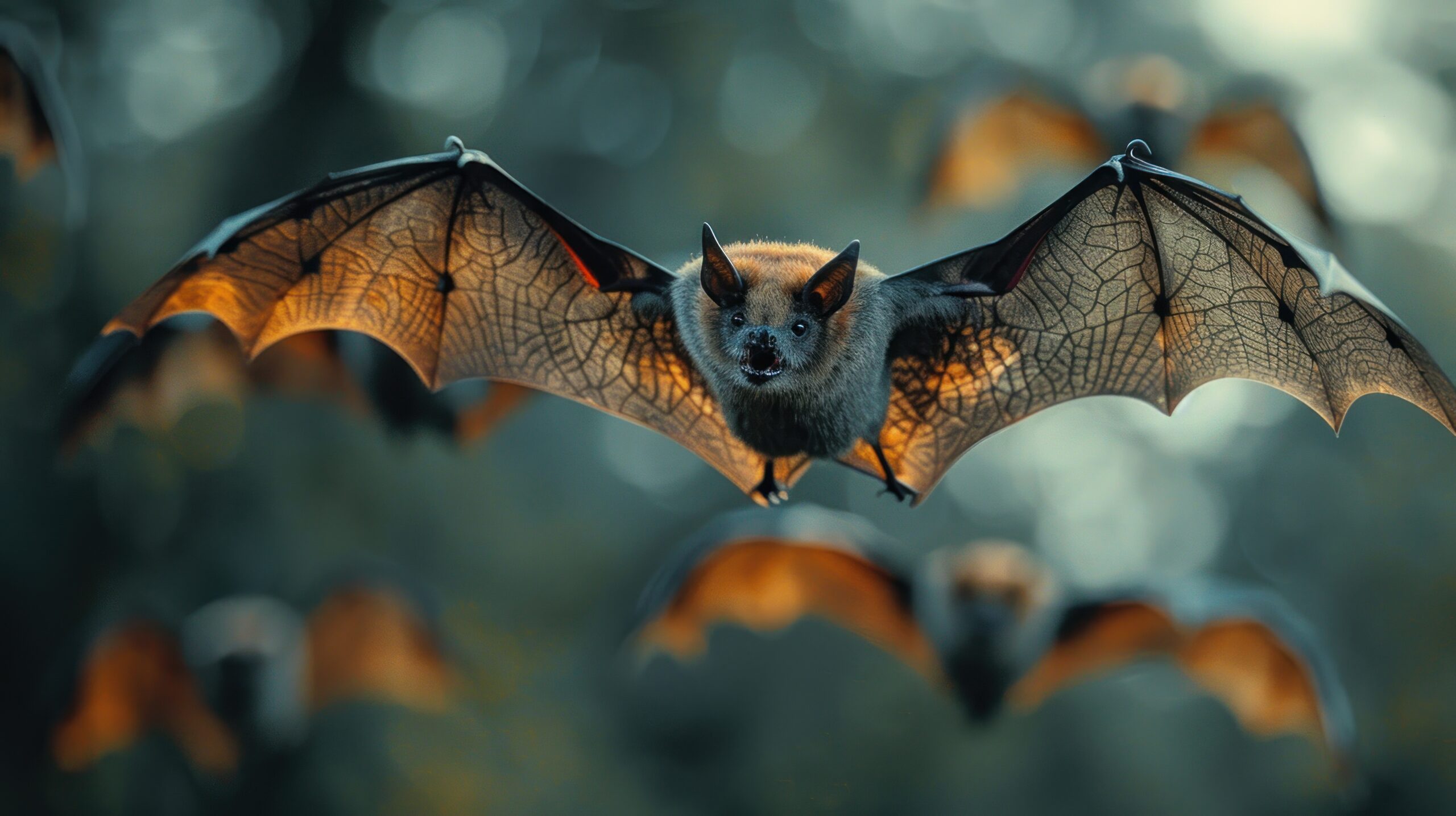
Bat spit coffee is harvested from coffee cherries that wild fruit bats partially eat and leave on the tree or on the ground, coated in their saliva. Producers look for these nibbled, often half‑eaten cherries, hand-collect them in small quantities, then wash, depulp, dry, hull, and roast the beans like a very high-end, experimental natural-process coffee. The science behind it is that bat saliva and selective feeding—bats only go for very ripe, sweet cherries—slightly ferments and alters the bean’s chemistry before humans ever touch it, which is why it is marketed as an exotic, low-acidity, fruity cup.
Unlike civet kopi luwak, the bean itself is not digested and excreted (pooped out); instead, bat saliva works more on the surrounding fruit layer, so the effect is gentler and more akin to a wild, micro‑scale fermentation than a full internal biochemical overhaul.

Producers and tasters consistently describe bat-processed coffees as smoother, with lower perceived acidity and reduced bitterness compared to standard coffees from the same region and variety.
The cups are often noted for floral and fruity aromatics (jasmine, citrus, tropical fruit), a sweet, velvety mouthfeel, and a long, clean aftertaste, suggesting that the saliva‑driven fermentation emphasizes sweetness and aromatics over harsh acids.
Bat spit coffee is produced most notably in Madagascar and Costa Rica, with additional smaller-scale production reported in parts of Southeast Asia.
Madagascar
Central Itasy province in Madagascar is a major origin, where farmers use bats to enhance Bourbon Pointu arabica, marketed domestically and for export. Producers there work with dozens of small farmers and have scaled output from a few tons with plans for larger export volumes, especially to markets like Japan.
Jacques Ramarlah’s Bourbon Pointu “bat coffee” (Itasy, Madagascar) – often described simply as bat spit coffee from Madagascar, sometimes sold through local high-end hotels and restaurants rather than under a big consumer brand name.
Various international “most expensive coffee” lists reference Madagascar bat spit coffee (Bourbon Pointu) as a distinct product category, usually without a flashy retail brand label.
Costa Rica
In southern Costa Rica’s Brunca region, especially around the Coffea Diversa Garden near the Panama border, “Wild Bat Coffee” is produced using the Jamaican fruit bat (Artibeus jamaicensis). This Costa Rican bat-processed coffee is extremely rare and is mostly bought and consumed within the region or via specialty roasters that highlight its origin.
Sea Island Coffee – “Wild Bat Coffee” / Wild Bat Geisha (Costa Rica) – London-based specialty roaster that has sold Costa Rican bat-processed Geisha under the Wild Bat name.
Wild Bat Coffee Costa Rica branded whole-bean bags (50–125 g) sold via retailers like Desertcart, often labeled simply “Wild Bat Coffee Costa Rica.
If you want to find Wild Bat Coffee online, go to coffeadiversa.com